
Loading...
Serving Mankato, MN and surrounding areas. (507) 308-9721
A pressure-treated wood deck gives you a solid, proven outdoor surface at a lower upfront cost - built the right way with frost-depth footings and a permitted structure that will still be standing 20 years from now.
Pressure-treated wood deck construction in Mankato means lumber that has been chemically treated to resist rot and insects, installed on frost-depth footings, with most mid-sized residential projects running 300 to 400 square feet and taking two to five days of active work. A well-built and maintained pressure-treated deck in Minnesota typically lasts 15 to 25 years - the main variables are how well it was built and how consistently it gets cleaned and sealed over the years.
Pressure-treated lumber is the most widely used material for residential decks because it offers a natural wood feel at a lower upfront cost than composite options. Many homeowners choose it as the substructure material even when they want a composite surface on top. If you are weighing wood against composite for the surface boards, our cedar wood deck construction page covers another natural wood option worth comparing.
The structure underneath is just as important as the surface you walk on. In Mankato, footings must be dug below the frost line - roughly 42 to 48 inches - or the freeze-thaw cycles that happen every winter will push the frame out of alignment. A deck that starts to lean or pull away from your house within a few years is almost always a footing problem, not a surface problem.
If your backyard is just a lawn with nowhere to put furniture or a grill, you are losing usable living space every summer. A deck creates a clear, comfortable transition between your home and your yard. In Mankato, where summer weekends are genuinely precious, that outdoor living space gets used hard from May through September.
If you walk across your deck and certain spots feel like they give a little under your weight, the wood underneath has started to rot. In Mankato's climate - with wet springs, humid summers, and hard freeze-thaw cycles - wood that was not properly treated or maintained can break down faster than you would expect. Soft spots are not just cosmetic - they mean the structural integrity of the deck is compromised.
Stand at the corner of your deck and push firmly on the post. If it moves or rocks, the footing below may have shifted - a common result of Mankato's deep frost cycles working on footings that were not set deep enough. Wobbly railings are a safety concern, especially if you have children or elderly family members using the deck.
In Mankato's real estate market, a well-maintained deck adds genuine curb appeal. Conversely, a deck that looks weathered and neglected - or one that a home inspector flags as structurally questionable - can become a negotiating liability. If your deck is more than 15 years old and has not been regularly maintained, having it assessed before listing your home is a smart move.
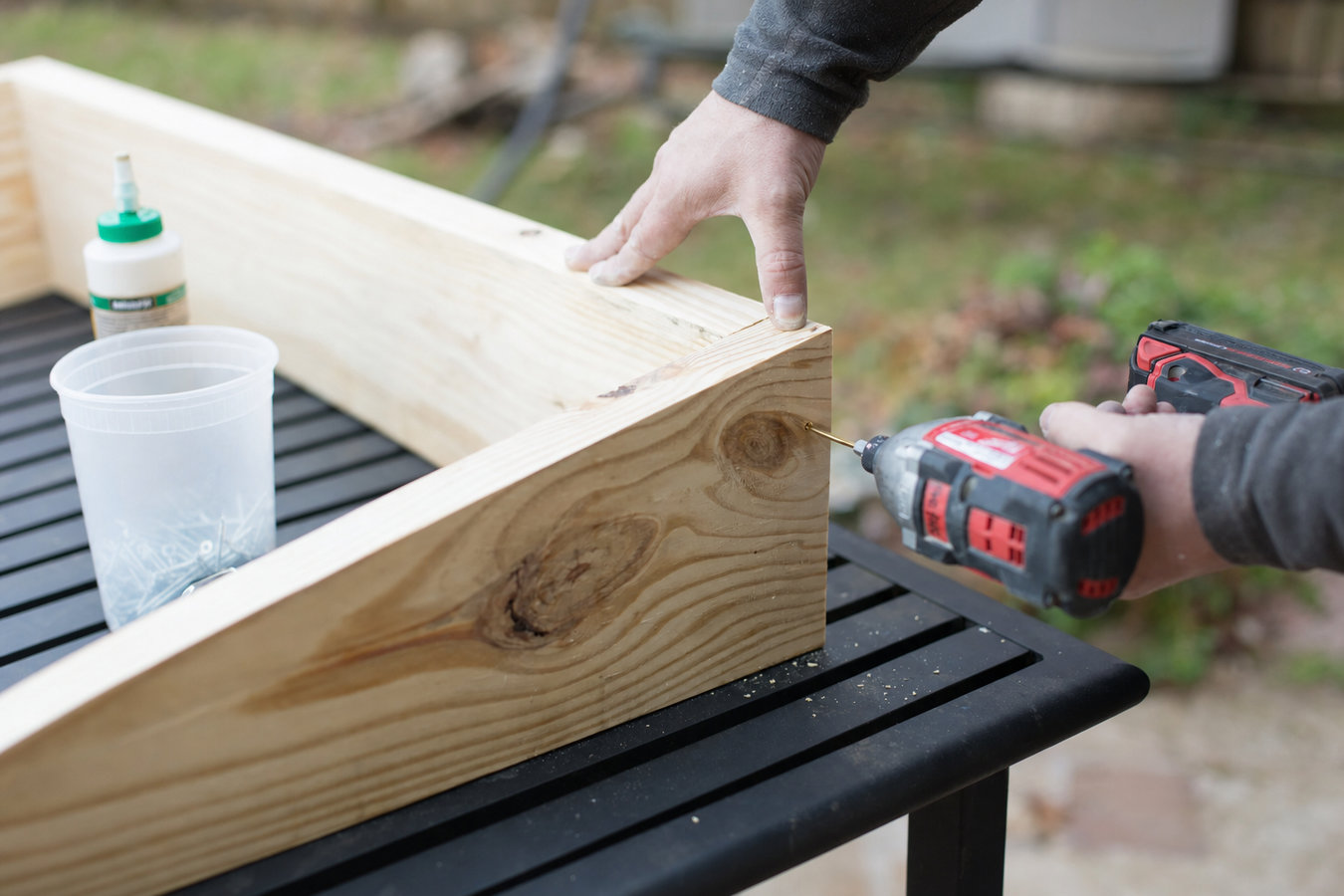
Every pressure-treated deck build starts with concrete footings dug to frost depth, followed by post-and-beam framing and correctly spaced joists. We use the right treatment level for each part of the deck - boards in contact with the ground get a higher level of chemical protection than above-ground decking boards. Proper board spacing during installation is critical in Minnesota's climate: boards installed too tightly will buckle in summer humidity, and boards fastened with the wrong hardware will loosen over time. We account for that movement from the start. Once new wood has dried out - typically six months to a year - it is ready for staining or sealing, and our deck staining and sealing service can handle that step when you are ready.
We also build the railings, stairs, and any built-in features like benches or planters. Every project goes through the City of Mankato permit process - we handle the paperwork, schedule the inspections, and get city sign-off on the finished structure. If you are comparing pressure-treated wood against natural wood alternatives, our cedar wood deck construction page is worth reading before you decide.
Suits homeowners with a flat yard who want a straightforward platform close to the ground with minimal framing complexity.
Suits homes with a higher back door or sloped yard, requiring taller posts and additional structural framing for a safe elevated platform.
Suits any homeowner who needs a complete, finished deck that meets code requirements for railings and safe stair access.
Suits homeowners who want built-in benches, planters, or storage integrated into the design rather than added on separately.
Mankato's freeze-thaw cycles are hard on anything built into the ground, and a deck with footings that were not set deep enough will start to shift within a few winters. Blue Earth County and the City of Mankato both enforce frost-depth footing requirements through the permit and inspection process - this is one of the places where working with a contractor who knows local requirements saves you from a problem you would not discover until years later. Homeowners in Lake Crystal and North Mankato face the same frost depth requirements as Mankato proper - the rules do not change at the city limit.
Older Mankato homes - particularly in neighborhoods like Hilltop and areas near downtown - present a specific challenge when attaching a deck to the house. Many of these homes have older siding, sheathing, or stucco that requires careful attention at the ledger connection point. If water gets behind the siding at that joint, it can rot your home's wall framing long before you see any visible sign of damage. A contractor with experience on Mankato's older housing stock will know how to flash and seal that connection correctly. Southern Minnesota's humid summers also mean wood boards need proper spacing to accommodate seasonal expansion - a detail that only matters when it is done wrong.
We ask a few basic questions about size, location on your home, and timeline. This is low-pressure and takes five minutes - no commitment, just enough to decide whether to set up a site visit. Most homeowners hear back within one business day.
We come to your home, walk your backyard, measure the space, and look at how your house is framed. After this visit, you get a written proposal with total price, materials, and an estimated timeline - usually within a few days to a week.
Once you sign a contract, we apply for the building permit with the City of Mankato. The city typically takes one to three weeks to approve. We handle all the paperwork. Once the permit is approved, you are on the schedule.
The crew digs footing holes to frost depth, and a city inspector checks them before concrete is poured. Once footings cure, framing, decking, stairs, and railings go in. When the city signs off on the final inspection, we walk you through the finished deck and hand over your permit paperwork.
Written quote. No obligation. We reply within one business day.
(507) 308-9721Mankato's frost line runs roughly 42 to 48 inches deep. We dig every footing to the depth the city requires - not the minimum we can get away with. That is what separates a deck that stays level after ten Minnesota winters from one that starts leaning after the first hard freeze.
A large share of Mankato's residential neighborhoods feature homes built in the 1950s through the 1970s, and attaching a deck to one of these homes requires extra care at the ledger connection. We know how to flash and seal that joint correctly so rain and snowmelt go away from your house - not behind the siding. That detail protects your home's framing for as long as you own the property.
We handle the City of Mankato permit from application through final inspection. You receive documentation that the deck was built to code - which matters when you sell your home or file an insurance claim. The North American Deck and Railing Association notes that unpermitted decks are among the most common structural issues flagged during home sales.
You receive a written proposal covering the deck size, materials, timeline, and total cost before we break ground. If anything changes during construction, you hear about it before it happens. No surprise invoices, no scope creep without your sign-off.
A pressure-treated wood deck built correctly in Mankato is a long-term investment in how you use your home. We build it right the first time so you are not dealing with repairs or replacement before the warranty on your furniture runs out.
A premium natural wood alternative that offers a warmer look and natural insect resistance for homeowners who prefer cedar over treated lumber.
Learn MoreProtect and extend the life of your new pressure-treated deck once the wood has dried out and is ready for its first coat.
Learn MoreMankato contractors fill their spring slots fast - reach out now and we will lock in your estimate before the rush.